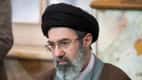






US intelligence assesses that Iran’s new supreme leader is playing a critical role in shaping war strategy alongside senior Iranian officials, according to multiple sources familiar with the intelligence. The reports found that precise authority within a now-fractured regime remains unclear, but that Mojtaba Khamenei is likely helping direct how Iran is managing negotiations with the US to end the war.
Khamenei has not been seen in public since he sustained serious injuries during an attack that killed his father and several of the country’s top military leaders at the beginning of the war, leading to speculation about his health and role in the Iranian leadership structure.
The Trump administration continues to pursue a diplomatic end to the conflict as a ceasefire stretches past a month with US intelligence assessing that Iran continues to dig out from the US bombing campaign that left significant Iranian military capabilities intact and the ability to survive months more of an American blockade, according to sources.
Khamenei was announced as Iran’s new supreme leader replacing his father days after the strike that injured him, but to date the US intelligence community has not been able to visually confirm his whereabouts, the sources said.
Part of the uncertainty stems from Khamenei not using any electronics to communicate, instead only interacting with those who can visit him in-person or by sending messages via a courier, one of the sources added.
Khamenei remains isolated as he continues to receive medical treatment for his injuries, including bad burns on one side of his body impacting his face, arm, torso, leg, the sources added.
Mazaher Hosseini, head of protocol in the office of Iran’s supreme leader, on Friday said Khamenei is healing from his injuries and “is now in complete health.” Hosseini said Khamenei’s foot and lower back were slightly injured and that “a small piece of shrapnel had hit him behind the ear,” but that the wounds are healing.
“Thank God, he is in good health,” Hosseini told a crowd in Iran. “The enemy is spreading all kinds of rumors and false claims. They want to see him and find him, but people should be patient and not rush. He will speak to you when the time is right.
Iran’s president, Masoud Pezeshkian, told Iranian state media earlier this week that he had held a two-and-a-half-hour meeting with Khamenei, marking the first reported in-person meeting between a top Iranian official and the country’s new supreme leader.
What US officials do know about Khamenei’s status is based on information picked up from those who are communicating with him, the sources familiar said. There is, however, some question among intelligence analysts as to whether some in Iran’s power structure might be claiming access to Khamenei to co-opt his authority to push their own agendas.
The war has degraded Iran’s military capabilities, but not destroyed them, according to US intelligence reports. CNN previously reported that US intelligence assessed that roughly half of Iran’s missile launchers had survived US strikes. A recent report increased that figure to two thirds partially due to the ongoing ceasefire providing Iran with time to dig out launchers that might have been buried in previous strikes, according to sources familiar with the intelligence.
A separate CIA report found that Iran can likely last up to four more months of the ongoing American blockade without complete destabilization of its economy, the sources said. The Washington Post was first to report on the CIA assessment. US and Iranian military forces have traded shots in recent days, despite an ongoing ceasefire, as traffic through the Strait of Hormuz has come to a near stop with both sides claiming control of the waterway.
Asked about the CIA assessment, a senior intelligence official told CNN, “The President’s blockade is inflicting real, compounding damage—severing trade, crushing revenue, and accelerating systemic economic collapse. Iran’s military has been badly degraded, its navy destroyed, and its leaders are in hiding. What’s left is the regime’s appetite for civilian suffering—starving its own people to prolong a war it has already lost.”
The Office of the Director of National Intelligence directed questions to the White House.
“While the United States grows stronger following the tremendous success of Operation Epic Fury, Iran has grown weaker by the day thanks to the overpowering effects of Operation Economic Fury, the military blockade, and fracturing among the regime, which has hindered Iran’s ability to present unified proposals to American negotiators,” White House spokesperson Anna Kelly told CNN. “It’s clearer than ever that President Trump holds all the cards as his national security team works to end Iran’s nuclear dreams for good. We do not comment on matters of intelligence.”
While US intelligence assessments indicate that Khamenei is involved in helping develop Iran’s negotiating strategy for a diplomatic end to the war, one source familiar with the latest information told CNN there is evidence he is fairly removed from the decision-making process and only sporadically accessible.
As a result, senior Islamic Revolutionary Guard Corps officials are essentially running the day-to-day operations along with Iranian Parliament Speaker Mohammad Bagher Ghalibaf, the source added. “There is no indication he is actually giving orders on any ongoing basis but nothing proving he is not,” a second source familiar with the US intelligence assessments said, referring to Khamenei.
Questions about Khamenei’s health and standing within the now-fractured Iranian regime have posed a challenge for the Trump administration as top US officials continue to suggest it is unclear who now maintains the authority to actually negotiate an end to the conflict, the sources said.
“Their system is still highly fractured, and it’s dysfunctional as well, so that may be serving as an impediment,” US Secretary of State Marco Rubio said on Friday while discussing Iran’s anticipated response to the Trump administration’s latest proposal for ending the war.
The fallout from US-Israeli operations that killed Khamenei’s father and other senior Iranian officials was largely foreshadowed by US intelligence assessments prior to President Donald Trump’s decision to start the conflict – which found that killing the prior supreme leader would be unlikely to topple the regime. “Even if you remove the ayatollah, his successors are all hardliners, too,” one source said, echoing what multiple sources described as the prediction outlined in US intelligence: an Iranian government largely controlled by the IRGC and other figures ideologically aligned with those who were eliminated.
Trump has boasted since the killing of the elder Khamenei that Iran has undergone regime change and described those now negotiating on behalf of Tehran as “reasonable.”
“We’re dealing with different people than anybody’s dealt with before,” he said in March.
Khamenei has not been seen in public since he sustained serious injuries during an attack that killed his father and several of the country’s top military leaders at the beginning of the war, leading to speculation about his health and role in the Iranian leadership structure.
The Trump administration continues to pursue a diplomatic end to the conflict as a ceasefire stretches past a month with US intelligence assessing that Iran continues to dig out from the US bombing campaign that left significant Iranian military capabilities intact and the ability to survive months more of an American blockade, according to sources.
Khamenei was announced as Iran’s new supreme leader replacing his father days after the strike that injured him, but to date the US intelligence community has not been able to visually confirm his whereabouts, the sources said.
Part of the uncertainty stems from Khamenei not using any electronics to communicate, instead only interacting with those who can visit him in-person or by sending messages via a courier, one of the sources added.
Khamenei remains isolated as he continues to receive medical treatment for his injuries, including bad burns on one side of his body impacting his face, arm, torso, leg, the sources added.
Mazaher Hosseini, head of protocol in the office of Iran’s supreme leader, on Friday said Khamenei is healing from his injuries and “is now in complete health.” Hosseini said Khamenei’s foot and lower back were slightly injured and that “a small piece of shrapnel had hit him behind the ear,” but that the wounds are healing.
“Thank God, he is in good health,” Hosseini told a crowd in Iran. “The enemy is spreading all kinds of rumors and false claims. They want to see him and find him, but people should be patient and not rush. He will speak to you when the time is right.
Iran’s president, Masoud Pezeshkian, told Iranian state media earlier this week that he had held a two-and-a-half-hour meeting with Khamenei, marking the first reported in-person meeting between a top Iranian official and the country’s new supreme leader.
What US officials do know about Khamenei’s status is based on information picked up from those who are communicating with him, the sources familiar said. There is, however, some question among intelligence analysts as to whether some in Iran’s power structure might be claiming access to Khamenei to co-opt his authority to push their own agendas.
The war has degraded Iran’s military capabilities, but not destroyed them, according to US intelligence reports. CNN previously reported that US intelligence assessed that roughly half of Iran’s missile launchers had survived US strikes. A recent report increased that figure to two thirds partially due to the ongoing ceasefire providing Iran with time to dig out launchers that might have been buried in previous strikes, according to sources familiar with the intelligence.
A separate CIA report found that Iran can likely last up to four more months of the ongoing American blockade without complete destabilization of its economy, the sources said. The Washington Post was first to report on the CIA assessment. US and Iranian military forces have traded shots in recent days, despite an ongoing ceasefire, as traffic through the Strait of Hormuz has come to a near stop with both sides claiming control of the waterway.
Asked about the CIA assessment, a senior intelligence official told CNN, “The President’s blockade is inflicting real, compounding damage—severing trade, crushing revenue, and accelerating systemic economic collapse. Iran’s military has been badly degraded, its navy destroyed, and its leaders are in hiding. What’s left is the regime’s appetite for civilian suffering—starving its own people to prolong a war it has already lost.”
The Office of the Director of National Intelligence directed questions to the White House.
“While the United States grows stronger following the tremendous success of Operation Epic Fury, Iran has grown weaker by the day thanks to the overpowering effects of Operation Economic Fury, the military blockade, and fracturing among the regime, which has hindered Iran’s ability to present unified proposals to American negotiators,” White House spokesperson Anna Kelly told CNN. “It’s clearer than ever that President Trump holds all the cards as his national security team works to end Iran’s nuclear dreams for good. We do not comment on matters of intelligence.”
While US intelligence assessments indicate that Khamenei is involved in helping develop Iran’s negotiating strategy for a diplomatic end to the war, one source familiar with the latest information told CNN there is evidence he is fairly removed from the decision-making process and only sporadically accessible.
As a result, senior Islamic Revolutionary Guard Corps officials are essentially running the day-to-day operations along with Iranian Parliament Speaker Mohammad Bagher Ghalibaf, the source added. “There is no indication he is actually giving orders on any ongoing basis but nothing proving he is not,” a second source familiar with the US intelligence assessments said, referring to Khamenei.
Questions about Khamenei’s health and standing within the now-fractured Iranian regime have posed a challenge for the Trump administration as top US officials continue to suggest it is unclear who now maintains the authority to actually negotiate an end to the conflict, the sources said.
“Their system is still highly fractured, and it’s dysfunctional as well, so that may be serving as an impediment,” US Secretary of State Marco Rubio said on Friday while discussing Iran’s anticipated response to the Trump administration’s latest proposal for ending the war.
The fallout from US-Israeli operations that killed Khamenei’s father and other senior Iranian officials was largely foreshadowed by US intelligence assessments prior to President Donald Trump’s decision to start the conflict – which found that killing the prior supreme leader would be unlikely to topple the regime. “Even if you remove the ayatollah, his successors are all hardliners, too,” one source said, echoing what multiple sources described as the prediction outlined in US intelligence: an Iranian government largely controlled by the IRGC and other figures ideologically aligned with those who were eliminated.
Trump has boasted since the killing of the elder Khamenei that Iran has undergone regime change and described those now negotiating on behalf of Tehran as “reasonable.”
“We’re dealing with different people than anybody’s dealt with before,” he said in March.